
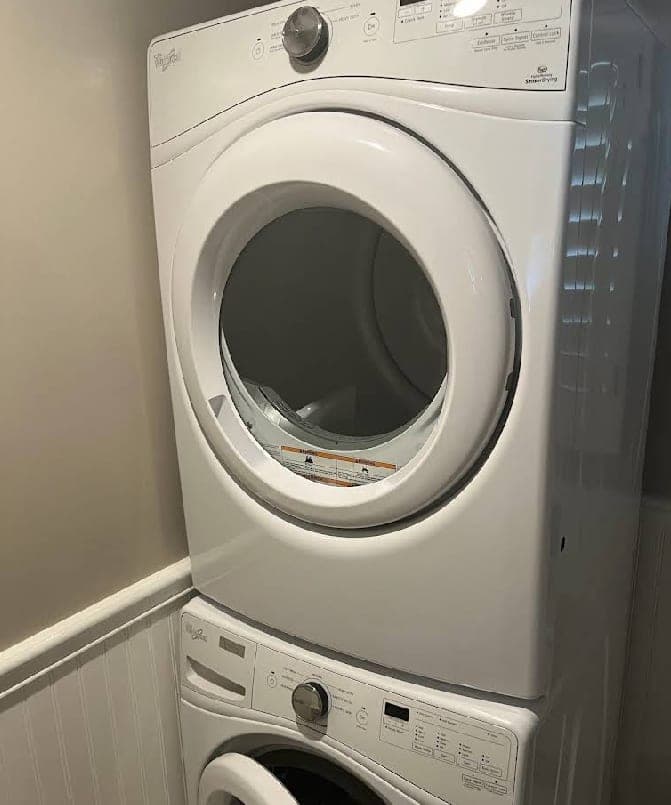
Whirlpool dryer repair in Falls Church
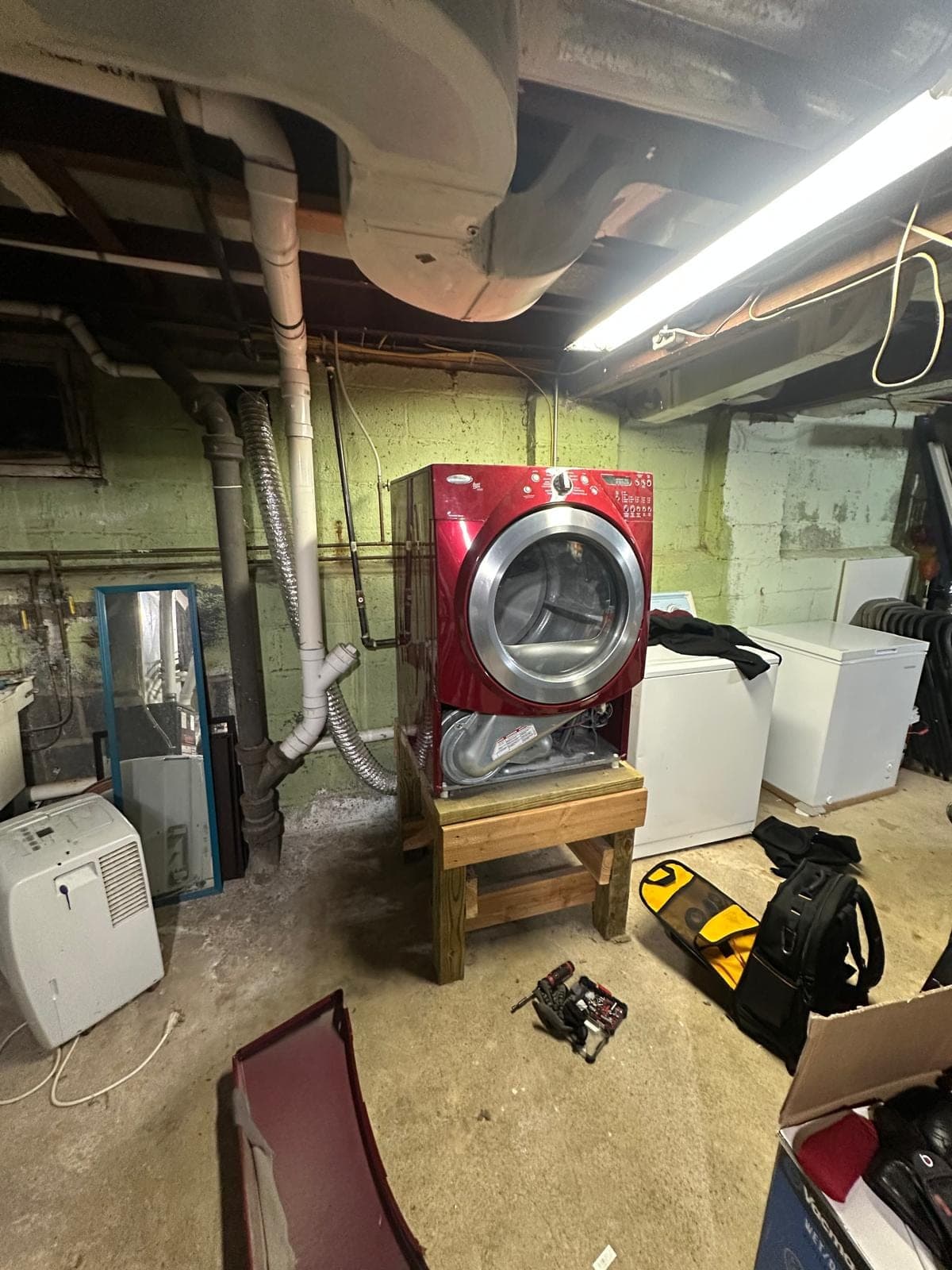
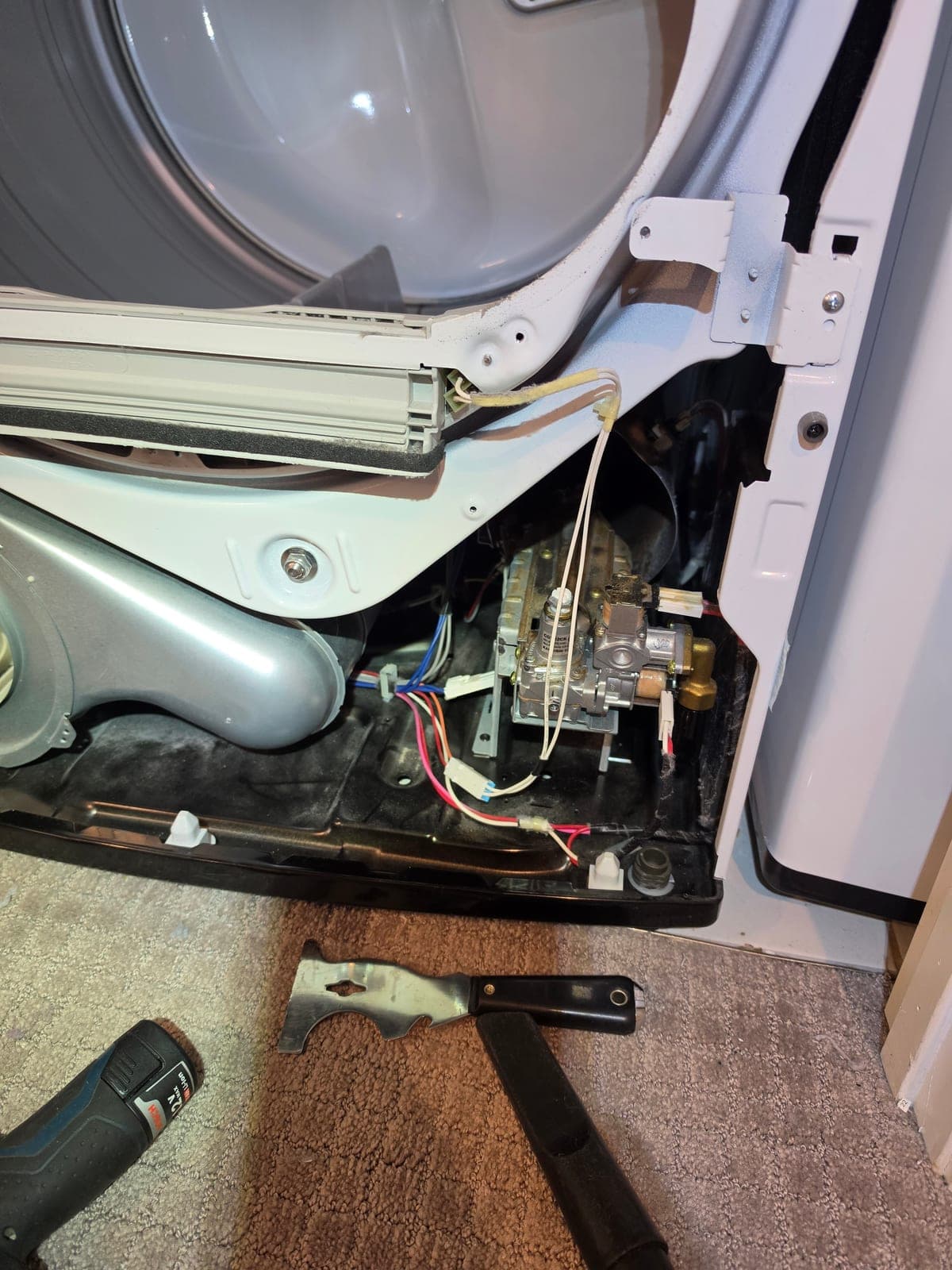
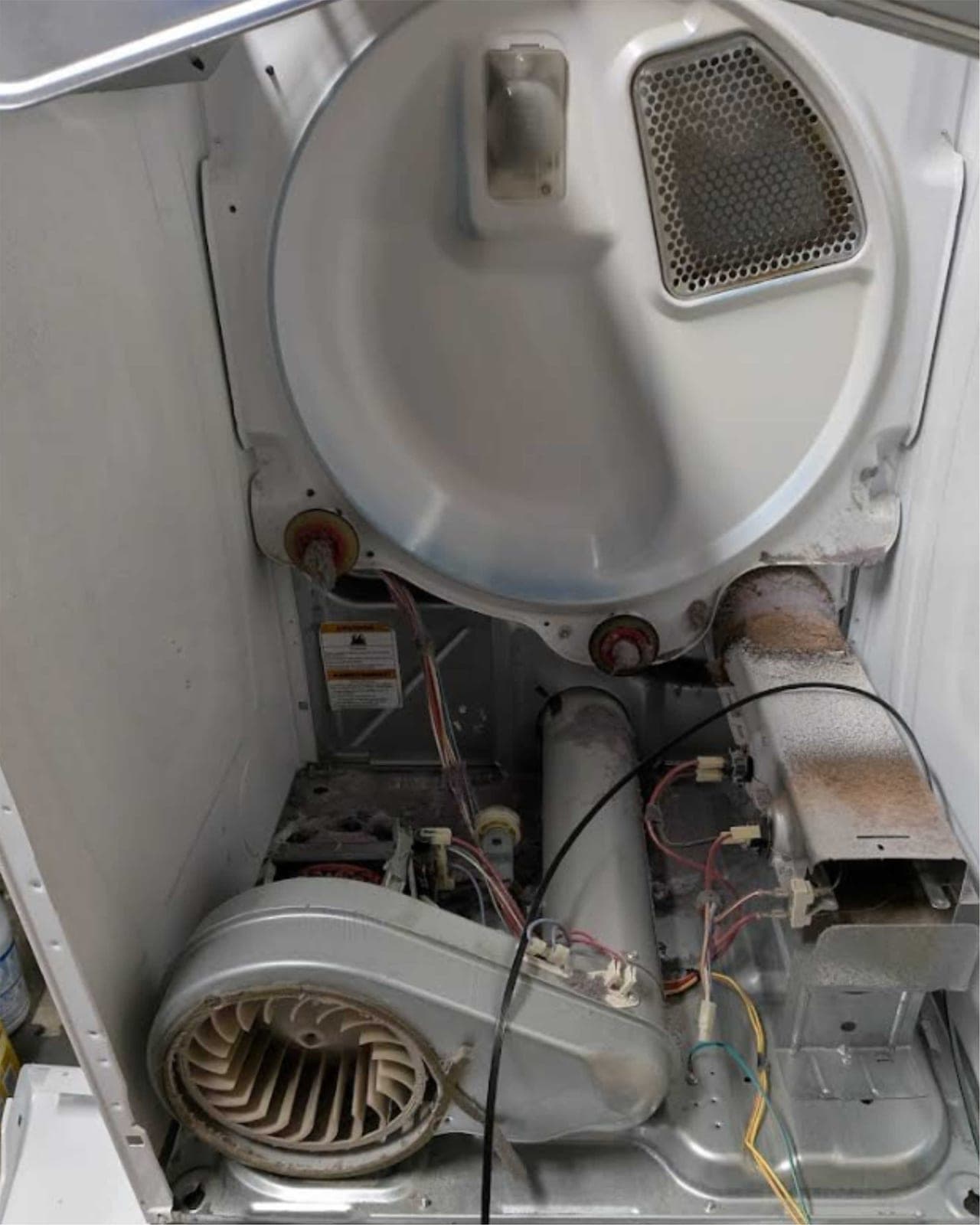
Heat had stopped coming from a Whirlpool front-load dryer in Falls Church, and clothes were coming out of it wet. Our technician was on-site to find the cause.
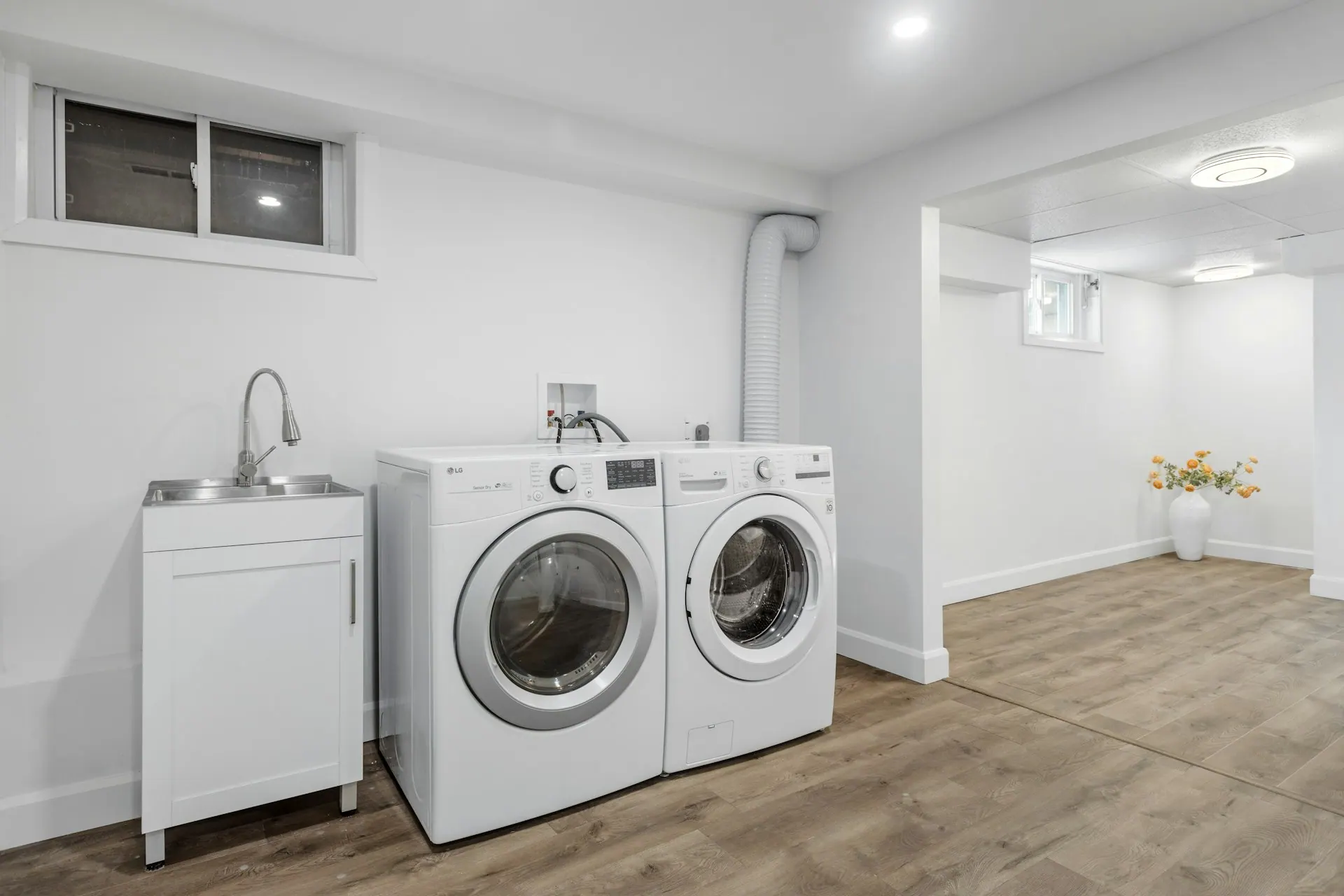

Independent repair
We do Whirlpool dryer repair across Northern Virginia, Washington DC and Maryland: gas and electric, the classic 29-inch machine, the Duet front-loaders, stacked laundry centers and the newer ventless heat-pump models. Most Whirlpool dryer faults come down to a short list of parts — a thermal fuse, a heating element, gas valve coils, drum rollers and a belt — and our technician carries the common ones on the truck. The visit fee is $89, and if you go ahead with the repair it counts toward the price.
What usually goes wrong
Most probably
Most probably
Most probably
Most probably
Most probably
Most probably
Most probably
Models and series
Whirlpool dryers fall into a few families. The 29-inch machine is the classic: models starting WED (electric) or WGD (gas), plus the Kenmore 110-series and the Roper, Amana and Maytag versions Whirlpool built. Its weak points are the thermal fuse, the rear rollers and idler, and on gas versions the valve coils.
The Duet front-loader is 27 inches wide, with four drum rollers, a thermistor and a display that shows fault codes. Its belt-rollers-idler kit and control board are the usual repairs. Cabrio dryers match the Cabrio washer.
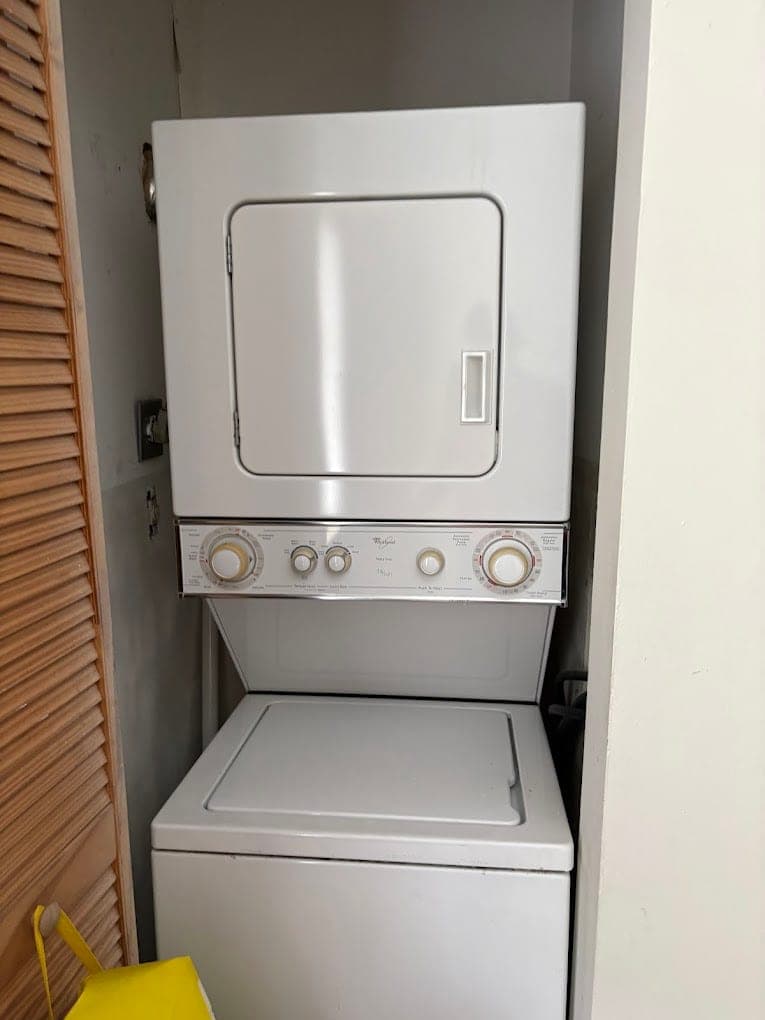
Stacked laundry centers — the old 24-inch Thin Twin and today's WET4027 electric and WGT4027 gas — fill townhouse and condo closets; laundry center repair has its own page. Newest are the ventless heat-pump models, the compact WHD3090GW and the full-size WHD862CHC hybrid: no vent, but a lint path and heat exchanger to keep clean.
The 29-inch design was built for decades under several badges, so its parts are everywhere: thermal fuse, thermal cut-off and high-limit kit, heating element, gas valve coil pair, igniter and flame sensor, drum rollers, idler pulley and belt are shared across Whirlpool, Kenmore 110-series, Roper, Amana and many Maytag dryers, and our technician carries the common ones on the truck. The Duet's belt, four rollers and idler come as one kit, and its element and thermistor are stock too. Control boards, motors, blower wheels and heat-pump components are ordered by model number, and the technician returns to fit them. Have the model number from the sticker inside the door ready.
Gas service reaches much of Washington DC, Northern Virginia and the Maryland suburbs, so plenty of the Whirlpool dryers we see are gas and plenty are electric. They fail differently, and our dryer repair page shows how to tell which one you have. An electric Whirlpool needs both legs of a 240-volt circuit: lose one and the drum turns with no heat, and a model with a display shows L2. Its heat comes from a coil element that either burns open or shorts to the cabinet. On the classic 29-inch electric, a blown thermal fuse usually means the dryer will not start at all.
A gas Whirlpool heats with a burner. The igniter glows, the flame sensor sees it and lets the valve open, and two small coils hold the valve open. The coils are the part that wears out; they fail once they are warm, so the dryer heats for the first few minutes and then runs cold. On a gas machine the thermal fuse cuts the burner and leaves the motor running, which is why a gas dryer with a blown fuse tumbles along with no heat.
Gas or electric, the pattern is familiar. A Whirlpool Duet dryer in Falls Church turned like normal, but no heat came with it; our technician found the thermal fuse had blown. That fuse cuts the heat and leaves the motor running, which is why the dryer still tumbled.
Whirlpool's own guidance is blunt: rigid or semi-rigid metal vent only, never plastic or foil; keep the run short with as few elbows as possible, ideally under 35 feet equivalent; empty the lint screen before every load; and have the vent to the outside cleaned every one to two years; our guide on how to clean your dryer vent covers the part you can do yourself. A thermal fuse opens because the air stopped moving, and a new fuse on a blocked vent will open again.
In this region the vent is often the hard part. A laundry closet on an upper floor of a townhouse often vents up through the roof; a stacked unit in a condo, the usual set-up for dryer repair in Arlington, may have a long run to an outside wall; a basement dryer in an older house, the kind our dryer repair in Bethesda page describes, can have a long duct with several elbows before it reaches daylight. We check the airflow at the outlet and tell you straight if the run needs cleaning or rerouting before the repair will hold.
Someone answers the phone 24/7, and we can come the same day most days. You get a two-hour window and a call about 15 minutes before the technician arrives. Shoe covers and floor protection go down first, and the technician explains the problem in plain English before anything is touched. Our visit fee is $89. The technician finds exactly what's wrong and gives you the full repair price at your home — no pressure.
If you go ahead, the $89 counts toward the repair, and every repair has a 90-day warranty on parts and labor. Common Whirlpool parts ride on the truck; if yours has to be ordered, the technician returns to fit it. You pay when the work is done and get the invoice by email or text. Our technicians have five to ten years of experience in appliance repair.
Recent repairs
Heat had stopped coming from a Whirlpool front-load dryer in Falls Church, and clothes were coming out of it wet. Our technician was on-site to find the cause.
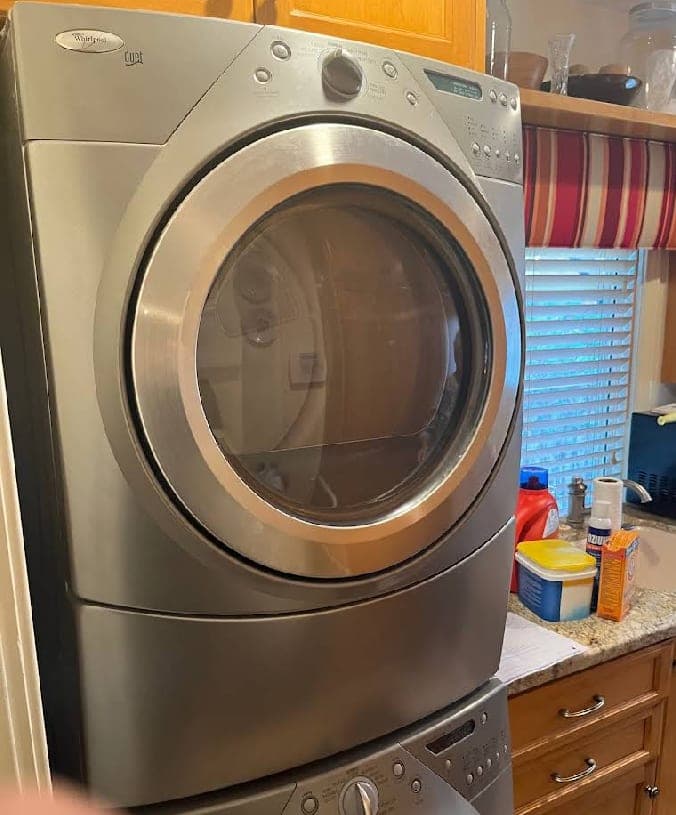
August 2026Vienna, VA
Guides
Some of these will save you the visit.
FAQ
Usually yes. On a Whirlpool that is most often a thermal fuse, a heating element or, on gas, the valve coils — parts we carry. Our visit fee is $89. The technician finds exactly what's wrong and gives you the full repair price at your home — no pressure. If you go ahead, the $89 counts toward the repair.
If the model number starts with 110, Whirlpool built it for Sears, and underneath it is one of the Whirlpool designs with the same fuse, element, rollers and belt. We repair it exactly as we would a Whirlpool-badged dryer, and the parts are just as easy to get.
Because the air is not getting out. The fuse opens when the blower housing gets too hot, and that happens when lint has packed the vent, the duct behind the dryer is crushed, or the run is too long or made of foil. Whirlpool says to use rigid or semi-rigid metal vent, keep it short, and have it cleaned every one to two years. We check the airflow before we fit a new fuse.
Yes. The dryer half of a Thin Twin or a WET4027 or WGT4027 laundry center uses ordinary Whirlpool dryer parts. Tell us it is stacked and how tight the closet is when you call, so the technician comes ready to move it.
Yes. On the compact WHD3090GW and the full-size hybrid WHD862CHC most faults are the familiar ones — a clogged lint path, a coated moisture sensor, a control fault — with the difference that a heat-pump dryer must also have its heat exchanger kept clear. If the fault turns out to be in the sealed refrigerant loop itself, the technician tells you plainly at the visit rather than guessing.
Every repair has a 90-day warranty on parts and labor. If the same fault comes back inside those 90 days, call the same number and we come back to it. That is also why we check the vent before fitting a fuse: we want the repair to last well past the warranty.
There is no age cut-off on that design. It is simple, the parts are plentiful, and a rollers-belt-idler or a fuse-and-element job on a twenty-year-old machine is routine. The moment to think about replacing is when the motor has burned or the drum itself is cracked. Either way the technician gives you the full repair price at your home and you decide, with no pressure.
Someone answers now. The visit is $89, credited to the repair, and most days we are out the same day.